
AI Operations Console
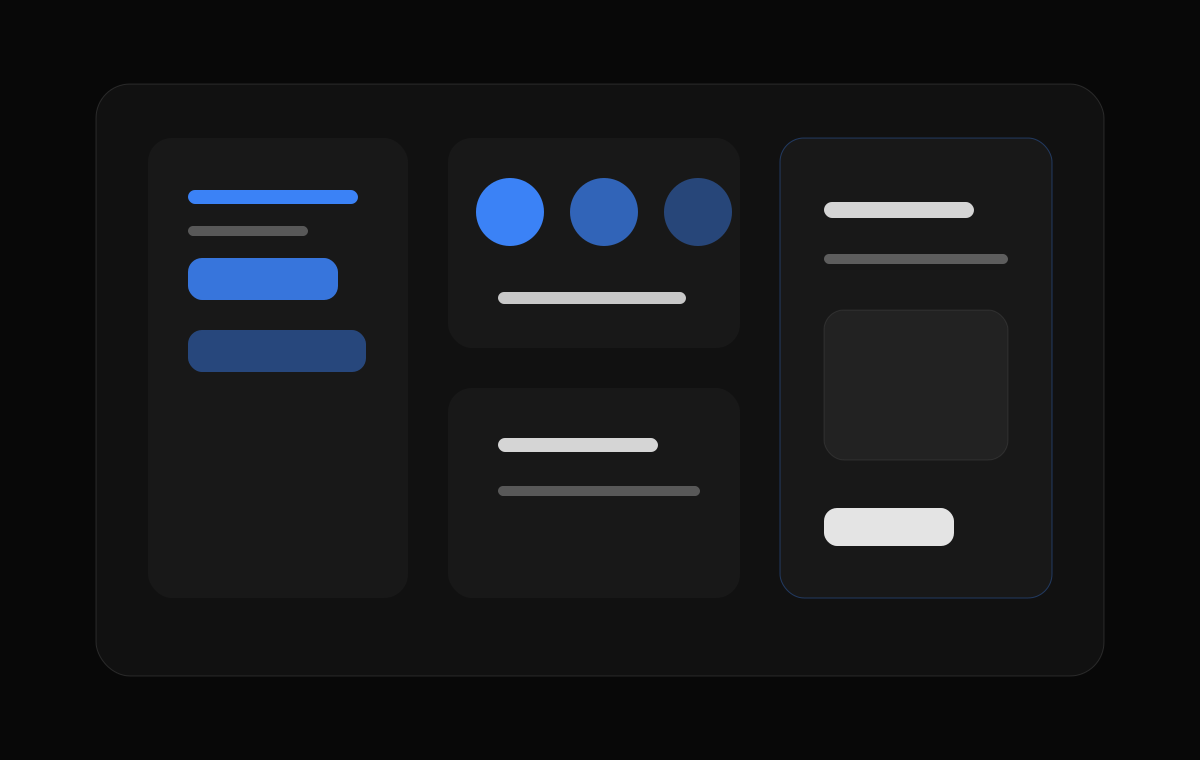
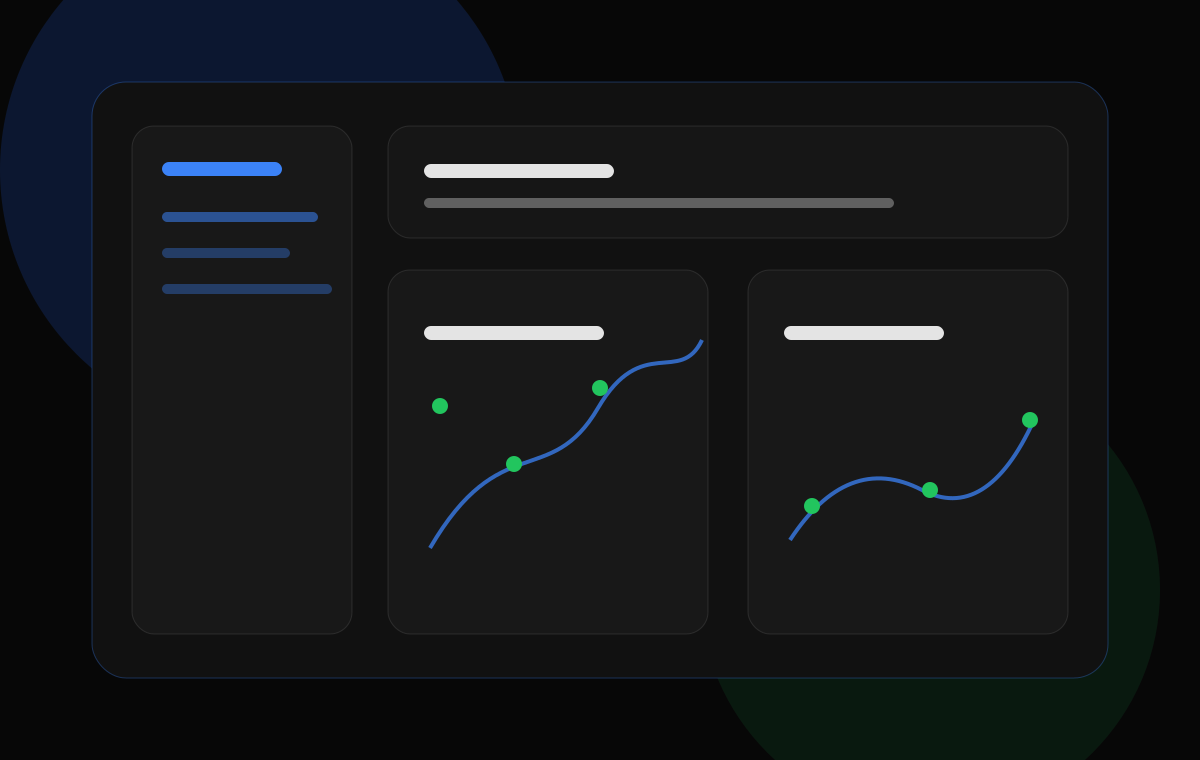
A unified command center concept for reviewing automated tasks, exceptions, and operational impact in a single calm workspace.
- Concept stage
- Prototype
- Primary focus
- Operational clarity
- Engines
- Next.js + AI
Highlights
- Unified task and exception overview
- Visible automation decisions and audit trail
- Operator-first detail and approval flows
Engineering narrative
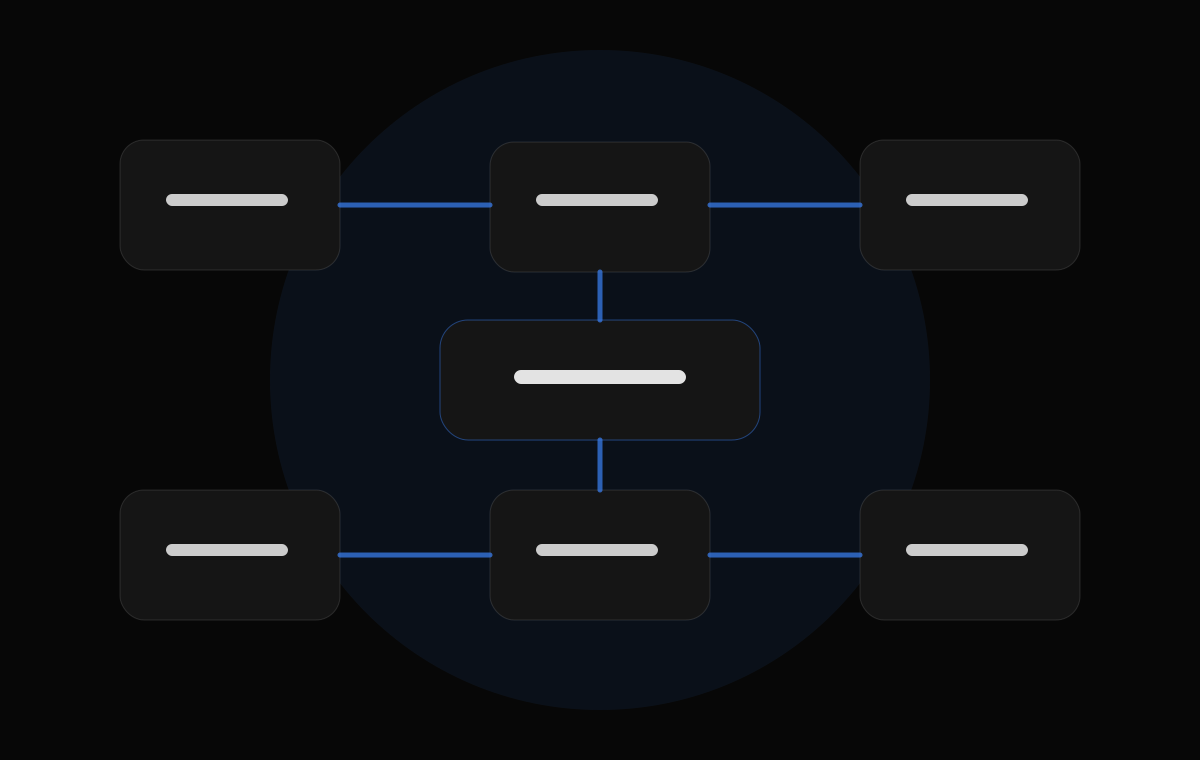
From problem to outcome, in eight focused steps.
Business Problem
Automation teams often monitor jobs in one tool, review exceptions in another, and approve sensitive actions through chat. That fragmentation makes ownership unclear and makes AI decisions difficult to audit.
Research
We mapped the lifecycle of an automated task from trigger to approval, then studied where operators need context, confidence, and a reversible action before work can continue.
Solution
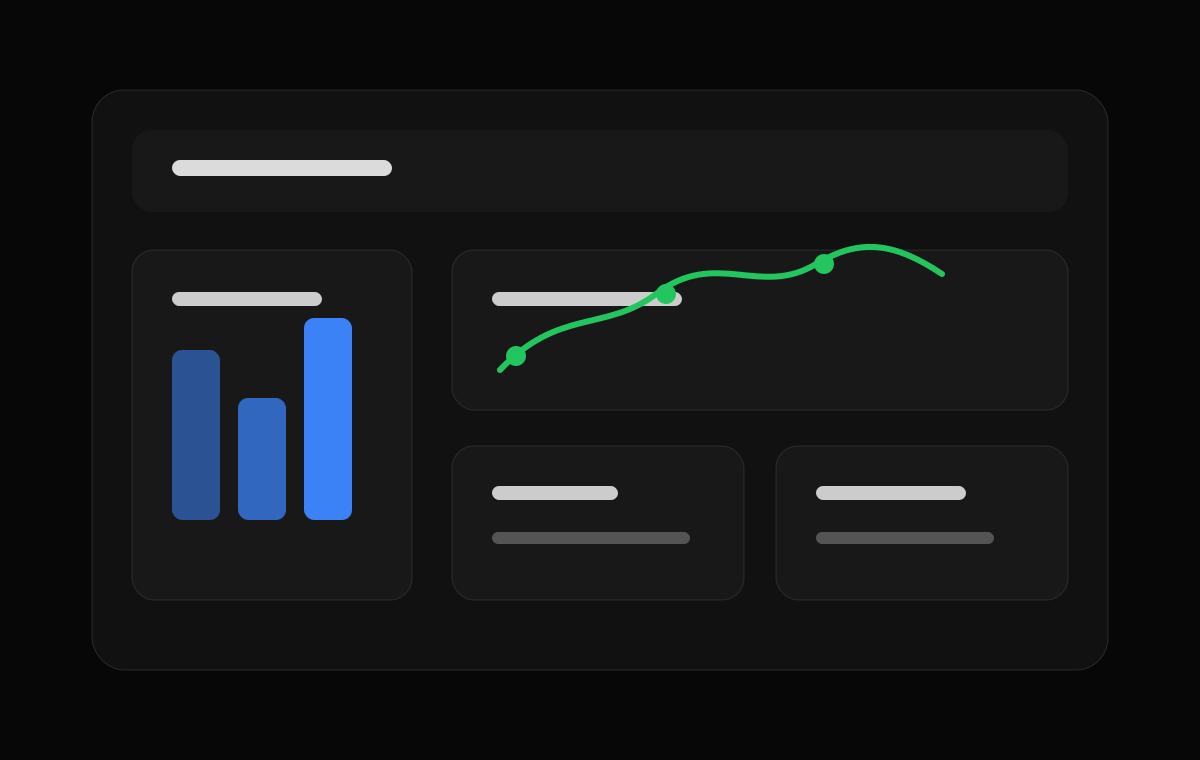
A single operations console brings queues, exceptions, approvals, and decision history into one workspace. The interface prioritizes failed or uncertain work instead of celebrating raw automation volume.
Technology Stack
Next.js and TypeScript support the operator interface, PostgreSQL preserves event and approval history, and OpenAI plus LangChain power bounded workflow steps with explicit tool access.
Development Process
The prototype started with event and permission models, followed by exception-state wireframes and a working dashboard slice. Approval, retry, and audit flows were tested before broader automation concepts were added.
Key Features
Priority queues, confidence-aware review states, human approvals, retry controls, visible tool calls, and an immutable activity trail form the core operating surface.
Outcome
The prototype proves that AI operations can be presented as accountable work rather than a black box. It provides a credible foundation for validating integrations with a real operations team.
Lessons Learned
Trust depends more on visible limits and recovery paths than on autonomous behavior. Exception design must be treated as a primary workflow, not an edge case.